Home » UGANDA TRAVEL GUIDE – BEST UGANDA TRAVEL TRIPS 2026
UGANDA TRAVEL GUIDE – BEST UGANDA TRAVEL TRIPS 2026
Are you ready to embark on an unforgettable Uganda safari, but feeling lost in your planning? Look no further than the travel guide to Uganda. These expert recommendations guarantee a safe and high-quality vacation experience.
This comprehensive travel guide provides extensive information on premier Uganda destinations, tourist experiences, entry prerequisites, health safety recommendations, LGBTQIA+ travel considerations, security protocols, the best time to go to Uganda, and other relevant travel queries.
While planning your trip, remember that Uganda borders the Democratic Republic of Congo to the west, not the Republic of the Congo (Brazzaville), which is located much further across Central Africa.
Below is a detailed breakdown of the travel guide to Uganda.
Top Places to Visit on a Uganda Safari
Uganda is home to several national parks, including Bwindi Impenetrable National Park, Kibale Forest National Park, Queen Elizabeth National Park, Ziwa Rhino Sanctuary, Murchison Falls National Park, and many others.
The Uganda Wildlife Authority manages these national parks and provides information on park fees and conditions.
Tourists are advised to use reputable guides when visiting national parks and other travel destinations to ensure safety and enhance the experience.
Bwindi Impenetrable National Park
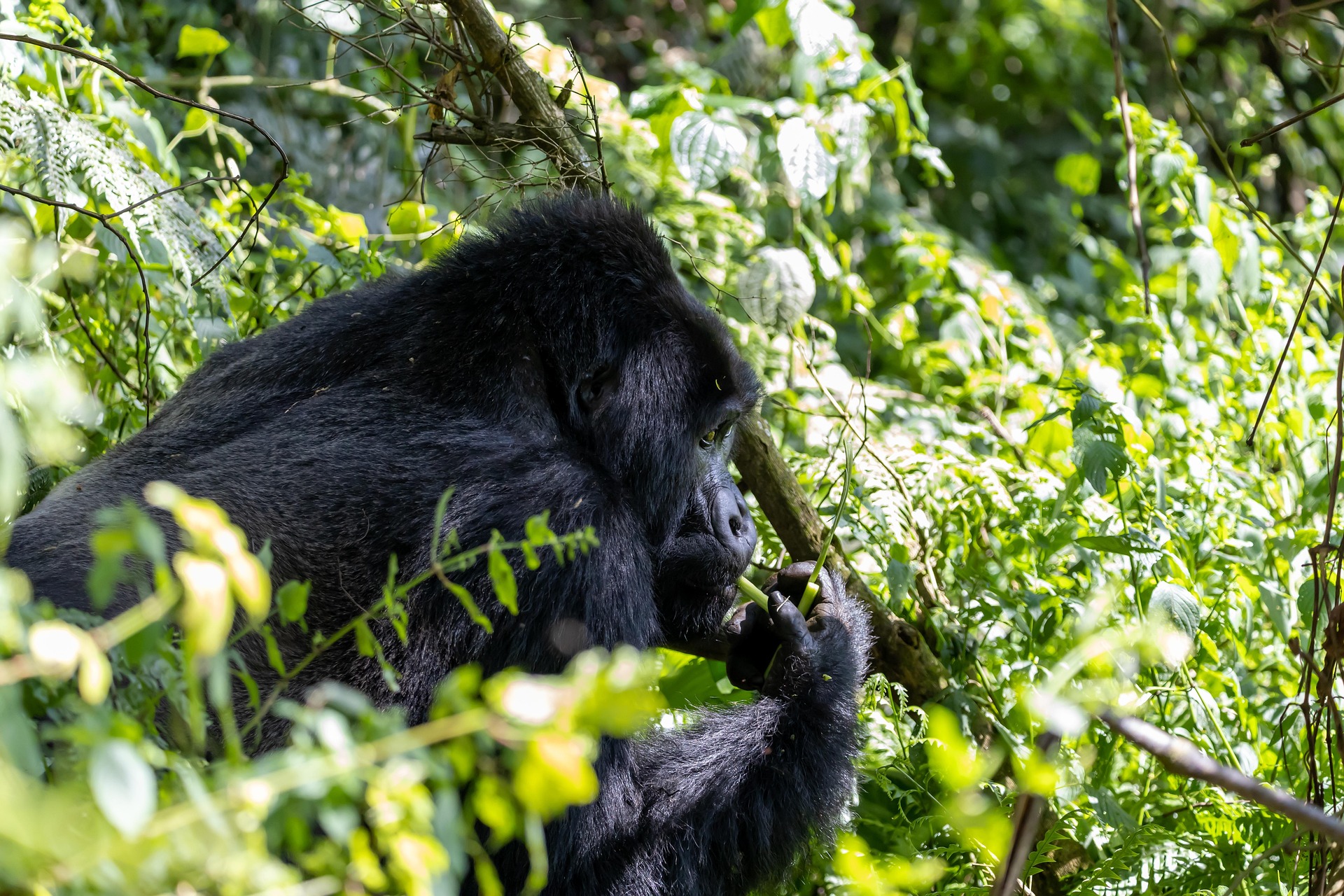
Bwindi Impenetrable National Park is located in southwestern Uganda in Kanungu District, covering about 331 square kilometers.
It is home to over half of the world’s remaining mountain gorilla population (459+ individuals), and it is for this reason that it was designated a UNESCO World Heritage Site.
Mountain Gorilla Trekking in Bwindi Impenetrable National Park is a primary activity in Uganda, drawing many tourists from different parts of the world.
Queen Elizabeth National Park
Queen Elizabeth National Park is a significant tourist destination in Uganda, known for its diverse wildlife and scenic landscapes. It is also renowned for the tree-climbing lions in the Ishasha sector.
It is situated in western Uganda, spanning the districts of Kasese, Kamwenge, Rubirizi, and Rukungiri, covering an area of about 1,978 square kilometers. It is one of the best places for interesting game drives.
Murchison Falls National Park
Murchison Falls NP is another must-visit place when on a Uganda safari. It is located in northwestern Uganda, covering parts of the Buliisa, Nwoya, and Kiryandongo districts.
It is renowned for the world’s most powerful waterfall, the Murchison Falls, which forms at a point where the River Nile forces its way through the narrow 7-to-8-meter gorge, plunging 45 meters into the Devil’s Cauldron” with a mighty roar.
Kibale Forest National Park
Kibale Forest National Park is situated in western Uganda near Fort Portal, covering an area of 795 km².
It is renowned as the primate capital of the world, and it is home to East Africa’s largest population of chimpanzees (more than 1500) and 12 other primate species.
Kibale Forest National Park is also home to over 370 bird species and 70+ mammals, and it offers the best chimpanzee trekking tours in Africa.
Mgahinga Gorilla National Park
is another gorilla park situated in south western Uganda in the Kisoro District.
It covers an area of about 34 square kilometers and is popular for gorilla trekking since it is home to over 30 mountain gorillas. Mgahinga National Park is also the only park in Uganda where golden monkeys are found.
Rwenzori Mountains National Park
Rwenzori Mountains National Park is one of Uganda’s national parks, located near its border with the Democratic Republic of Congo, which can pose security risks.
It is renowned for the Rwenzori Mountains (Mountains of the Moon), which stand at 5,109 meters (16,762 feet), making it the third-highest mountain in Africa. It is among the best places that offer interesting, mountainous tours in Uganda.
Mount Elgon National Park
Mount Elgon National Park is situated on the Uganda-Kenya border, and it protects the largest extinct volcanic mountain base in the world.
The park shared by Uganda and Kenya is best for mountain hiking safaris. It is home to over 300 bird species, various vegetation zones, and numerous animals, including hyenas, leopards, blue monkeys, and black and white colobus monkeys, among other attractions.
Lake Bunyonyi
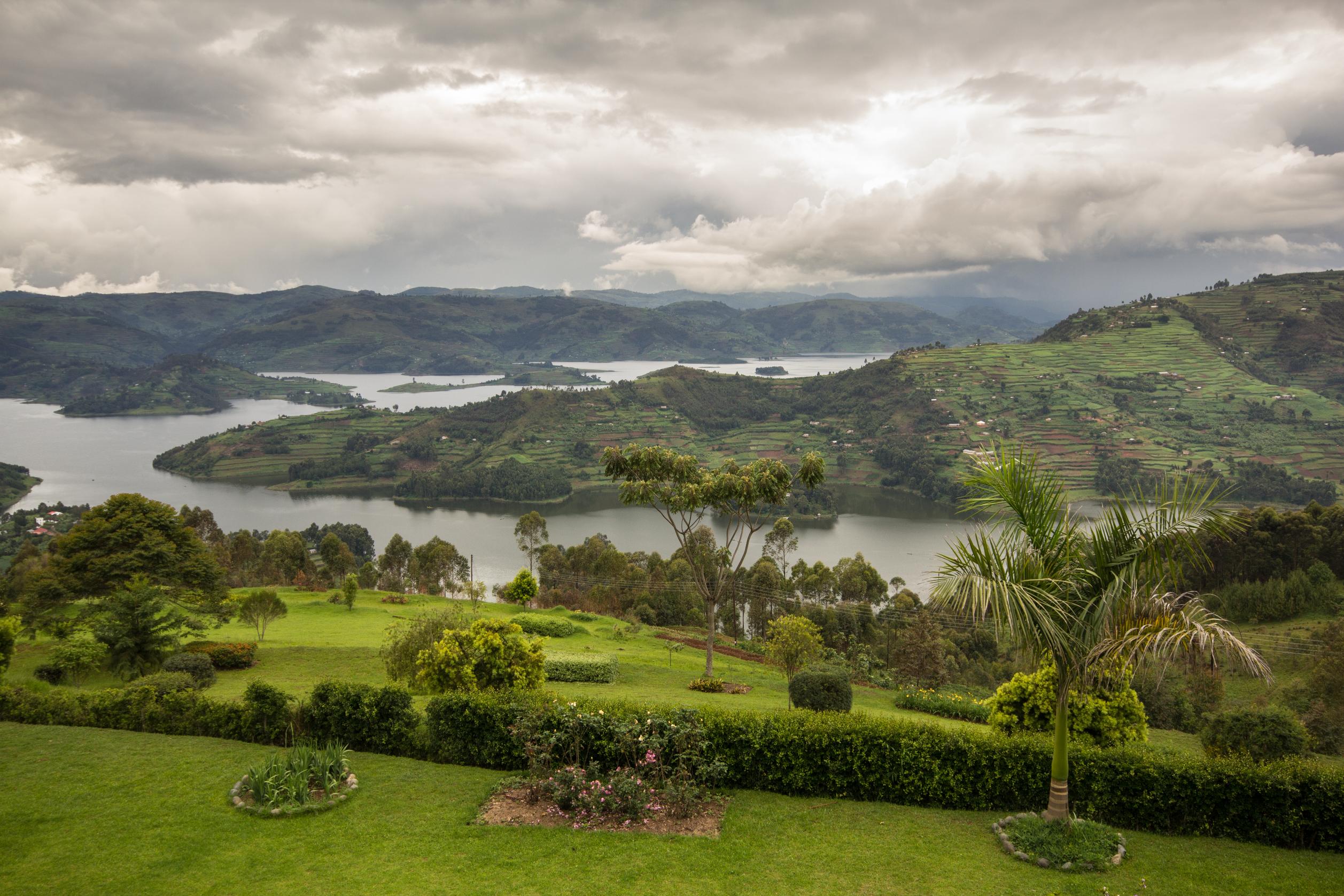
Lake Bunyonyi is one of Africa’s deepest lakes and is known for its serene beauty, making it ideal for relaxation. It is situated in southwestern Uganda between the Kisoro and Kabale districts, covering an area of about 61 square kilometers.
It is known as a place of many little birds and is also popular for having over 29 islands and terraced hills.
Kasubi Tombs in Kampala
The Kasubi Tombs in Kampala are a UNESCO World Heritage site and a burial ground for Buganda kings.
It is a 30-hectare site that features the Muzibu Azaala Mpanga main tomb, which is the masterpiece of traditional architecture that was constructed in 1882 using natural materials like wood, reeds, and thatch.
Jinja City and the Nile River
Jinja, located in Eastern Uganda along Lake Victoria’s shores and the source of the River Nile, is known as East Africa’s adventure capital.
Visitors to Jinja City and the River Nile enjoy adrenaline-jumping activities such as quad biking, bungee jumping, and kayaking, among others.
Other Popular Places to Visit on a Uganda Holiday
- Semuliki National Park
- Lake Mburo National Park
- Kidepo Valley National Park
- Ziwa Rhino Sanctuary
- Ngamba Island Chimpanzee Sanctuary
- Uganda Wildlife Education Centre (Entebbe Zoo)
- Amabeere Ga Nyina Mwiru Caves
- Mabira Forest
- Lake Victoria
- Uganda Martyrs Shrine Namugongo, among others
Tourist Activities to Do on a Uganda Trip
- Gorilla trekking in Bwindi Impenetrable National Park
Gorilla trekking is a popular activity in Uganda, particularly in Bwindi Impenetrable National Park and Mgahinga Gorilla Park.
While trekking through Bwindi Impenetrable Forest, keep in mind the unpredictable nature of mountain gorillas; though generally habituated to humans, they remain wild animals that dictate the pace of every encounter.
After the mountain gorilla trekking experience, you can choose to fly to the Republic of the Congo to track western lowland gorillas in the Odzala-Kokoua National Park.
- Chimpanzee tracking in Kibale National Park
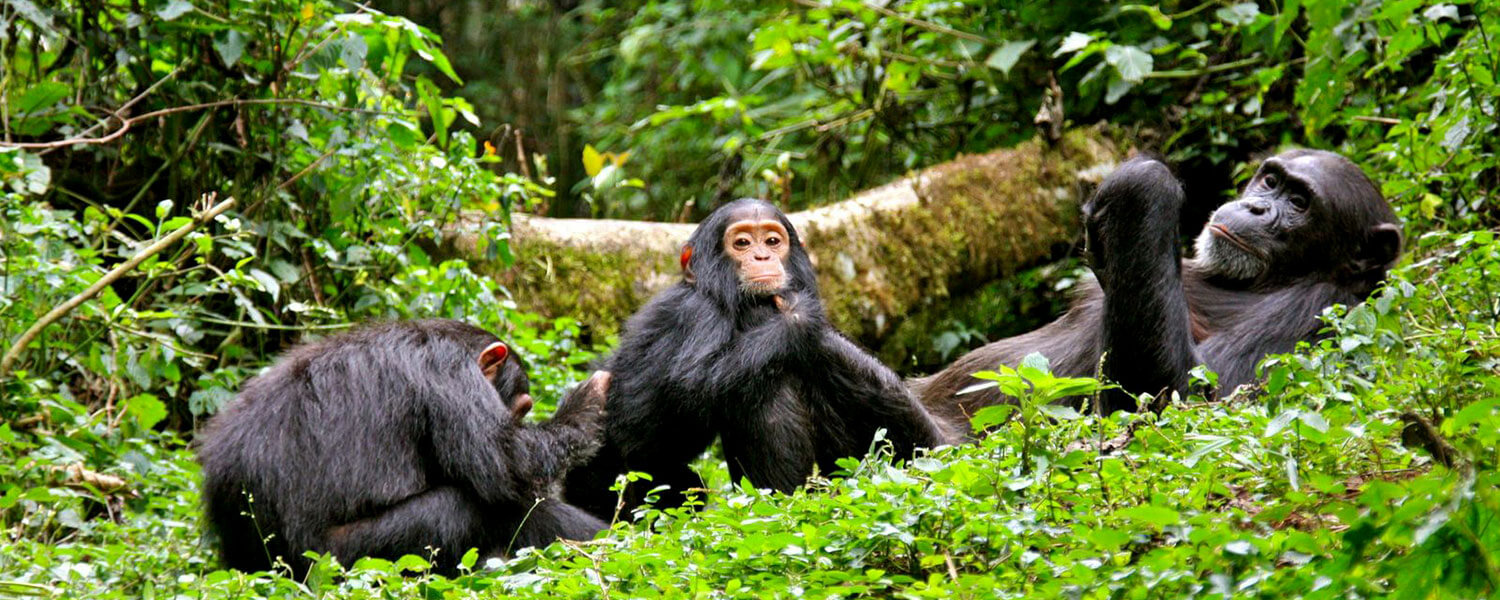
Chimpanzee tracking in Kibale National Park involves chimp trackers hiking through the lush forest as they observe these primates playing and nursing mothers tending to their young ones.
- White-water rafting on the River Nile.
- Game drives in Queen Elizabeth and other savannah parks
- Bird watching
- Hiking the Rwenzori mountains and other peaks
- Boat cruises on the Kazinga Channel
- Horseback riding and mountain biking in Lake Mburo NP
- Ziplining and canoeing on Lake Bunyonyi
- Rhino tracking at Ziwa Rhino Sanctuary
If you are planning to engage in the above activity, contact our safari specialist for further information.
Entry Requirements for a Uganda Trip
Tourists travelling to Uganda must have a passport valid for at least 6 months, a yellow fever certificate, and a visa.
A visa to enter Uganda is obtained online via the Official Immigration Portal or upon arrival at the Entebbe International Airport at a fee of $50 for a standard single entry, and it is valid for 90 days.
Travellers who may have more trips beyond Uganda, that is, in Rwanda and Kenya, can apply for the East African Tourist Visa (EATV) at a fee of $100. Travelling to some African nations is visa-exempt, and it is always advisable to check the current regulations before travelling to a particular country.
For further information on crossing into neighboring countries not on this list, check with the respective immigration offices.
Cell Phone and Connectivity
Before you travel to Uganda, make sure you unlock your cell phone, but make sure you contact your service provider to add global roaming to your plan.
You can also buy a prepaid SIM card for MTN, Airtel, or Lycamobile to use your unlocked phone. SIM cards are sold at the airport, right after immigration, or at the nearest phone store along the way from Entebbe International Airport.
Vaccination and Healthy Precautions for Uganda
Travelers to Uganda should be up to date on all routine vaccines before every trip. They should visit a health clinic, preferably 6 weeks before the travel date, to get personalized health care advice.
They should also comply with the testing and health screening requirements before entering Uganda. The entry and exit conditions may change at short notice.
Travelers should ensure their health insurance plan provides coverage overseas, as most care providers only accept cash payments.
Malaria is a risk to travelers to Uganda, and antimalarial medication is recommended for most travelers. Cholera is also a risk in some parts of Uganda, and vaccination may be recommended for high-risk travelers.
There is an increased risk of getting cholera or any other severe disease, so avoid unsafe food and water. They should not eat raw or uncooked food.
Travelers should avoid touching body fluids like sweat and blood from infected persons or getting in contact with infected animals or their body fluids.
The Centers for Disease Control and Prevention (CDC) and the World Health Organization (WHO) recommend vaccinations for hepatitis A, hepatitis B, typhoid, yellow fever, rabies, meningitis, polio, measles, mumps, and rubella (MMR), Tdap, chickenpox, shingles, pneumonia, COVID-19, and influenza for travelers to Uganda, so travelers should visit health care providers before the trip.
All travelers to Uganda must have a valid yellow fever immunization card, and some airlines may require one when you leave.
Travelers should carry their own supplies of prescription drugs and preventive medicines since medical facilities in Uganda are few. The few medical facilities in the country are only equipped to handle minor medical emergencies.
Visitors should avoid drinking contaminated water, swimming or wading in urine-contaminated fresh water, and avoid contact with body fluids from infected animals.
Currency and Money Management

Visitors are supposed to declare all foreign currency on arrival, and this covers all forms of currency, not only cash.
Money is exchanged at commercial banks or at the foreign exchange bureaus in the country. The local currency of Uganda is the Ugandan shilling (UGX).
Of all the currencies, the US dollar is widely accepted, and one may not be able to change a US banknote printed before 2006.
Many establishments in Uganda operate primarily as cash-only businesses; some larger stores, hotels, and restaurants built in tourist areas may accept the card payment system.
Shopping in Uganda (Bargaining)
In established retail shops and some shopping centres in major Ugandan urban areas like Kampala, it is customary for goods to be tagged with set prices and generally not open to bargaining.
Stalls, markets, and family-owned stores generally do not display price tags, affording customers the opportunity to negotiate prices. This allows for the chance to engage in bargaining, and the most important thing is to make sure that both the buyer and the seller are happy at the end of a transaction.
Tipping in Uganda
In Uganda, tipping tour guides, drivers, porters, waiters, and others on a safari is appreciated but not mandatory.
Safari guides usually receive $10-$20, general staff/waiters $5-$10, and porters $5-$20 per day.
Getting Around (Transportation) / Local Transportation
U.S. citizens intending to travel to Uganda are required to apply and obtain a visa online in advance of travel.
Travelers should avoid driving outside major cities after dark due to the risk of banditry and poor visibility.
Travelers should carry a photocopy of their passport’s identification page and the page containing their visa, keeping the original in a secure place.
Travelers should be aware that the Ugandan immigration officer at the port of entry determines the length of authorized stay, which is generally from two weeks to three months for tourists.
It is advisable to check local traffic laws and practices before any road trip. In the event of an accident, the Ugandan law requires drivers to stop, exchange information, and provide assistance. There may be a possibility of mob justice in case of any serious injury, but in such cases, you should remain in the car and drive to the nearest police station to report the accident.
Driving at night, especially in high-risk areas, is strongly discouraged.
The border between Uganda and Rwanda regularly closes for an extended time, so plan to travel early, preferably during the daytime.
Visitors who may travel on water or engage in activities like canoeing should follow boating safety laws like wearing a life jacket and abstaining from alcohol, since it is often a contributing factor to water accidents.
International Driving Permit
It is advisable and frequently necessary to possess an International Driving Permit (IDP) when driving in Uganda. This document acts as an authorized translation of your home driver’s license for local authorities, aiding in police inspections and vehicle rentals.
It is recommended to acquire the international driving permit via local motoring associations before your journey.
The international driving permit can still be obtained through the Automobile Association of Uganda (AAU) in Kampala.
Travel Insurance
Before visiting Uganda, it is essential for travelers to obtain a travel insurance policy that includes coverage for medical emergencies, trip interruptions, cancellations, and medical evacuation. This precaution will provide peace of mind and financial protection during your travel experience.
For personalized insurance guidance to safeguard your vacation, we recommend seeking advice from our safari experts.
Public Transportation
Travelers are advised to avoid intercity buses and vans due to the risk of fatal accidents caused by reckless driving and poor vehicle maintenance.
It is advisable to use licensed taxis, minibus taxis, or custom safari vehicles for travel to mitigate the potential transportation challenges in the country.
Is It Safe for Solo Female Travelers in Uganda?
Foreign women, especially those who are white, may encounter heightened interest from locals in Uganda. Expect conversations, requests to touch your skin, and invitations to homes. The attention is generally rooted in curiosity but not intended to harm you.
At times, men may bother you; however, responding with a cold shoulder or a definite ‘no’ is typically effective in deterring them and ensuring they respect your boundaries.
Local Laws and Culture in Uganda
Photography of government buildings or people requires permission.
Offering bribes to officials is illegal, and it should be avoided.
Possession or use of illegal drugs carries severe penalties, including imprisonment.
Tourists to Uganda are supposed to respect the cultural norms, including those concerning dress codes, since most cultures in Uganda cherish decent dressing.
Kissing and intense hugging in public are frowned upon, especially in villages.
Greetings in Uganda are very important, so visitors should take time to greet people. The right hand is often used for shaking hands and receiving items since the left hand is considered unclean in many societies.
Travelers are strongly discouraged from bringing drones into the country; the U.S. Embassy Kampala warns that unauthorized drone operation can lead to detention or arrest
Local Language
English and Kiswahili are the official languages, with Luganda widely spoken, especially in the central regions. Other languages used are Lusoga and Iteso (Eastern), Runyankole (Western), and Acholi (Northern). However, there are about 56 tribes in Uganda with different languages.
When preparing for your journey, it is crucial to brush up on your English proficiency. Consider downloading audio tutorials onto your mobile device for convenient practice while traveling, or having a pocket translator readily available to aid in communication.
LGBTQIA+ Travel Considerations in Uganda
LGBTQI+ travelers should carefully consider the risks of traveling to Uganda due to the legal and social environment.
The social acceptance of homosexuality is very low in Uganda, leading to harassment, blackmail, violence against LGBTQI+ individuals, imprisonment, or the death penalty.
In Uganda, 2SLGBTQI+ persons have always been attacked and harassed based on their identity and sexual orientation, with incidents increasing since the passage of the Anti-Homosexuality Act.
The May 2023 Anti-Homosexuality Act includes penalties up to life imprisonment for consensual same sex relations and capital punishment for crimes of ‘aggravated homosexuality.’
Same sex persons may be subject to forced conversion therapy, also known as reparative therapy, which is a dangerous and discredited practice according to major medical and mental health organizations.
Popular Food and Drinks
You will enjoy traditional dishes, which may include staple foods like matoke, Rolex, rice, chapati, and Indian cuisine, and other international foods.
It is advisable to eat only safe food properly prepared at reputable restaurants, hotels, and lodges.
It is advisable to refrain from consuming tap water, as it may not be entirely safe even in larger towns. It is recommended to always opt for bottled mineral water, which is widely accessible and deemed a more reliable choice for drinking purposes than tap water, to avoid waterborne illnesses.
Drink Spiking and Methanol Poisoning
Drink Spiking
One should never leave food or drinks unattended or under the care of unknown individuals. It is advisable to exercise caution when accepting snacks, drinks, or gum from unfamiliar acquaintances.
Methanol Poisoning
Numerous individuals have perished or fallen severely ill due to contaminated beverages in foreign countries.
Methanol is recognized for its extreme toxicity, with even a small amount proving to be deadly. It is recommended to only consume branded and securely sealed beverages to minimize health risks.
In case you feel you have been poisoned, seek urgent medical help.
Safety and Security Tips
The tourism industry in Uganda is unevenly regulated, and safety inspections for equipment and facilities do not commonly occur.
The Uganda Tourism Board now conducts nationwide inspections to enforce the minimum standard for accommodation facilities. Most facilities are safe now since, before operating, they must first present specific safety-related documentation.
Travelers should exercise extra caution when traveling around Uganda’s border with the Democratic Republic of Congo (DRC) and South Sudan, which are particularly unstable, with risks of banditry and cross border attacks.
There is a threat of terrorism in Uganda, with foreigners potentially being targeted in attacks. Recent terrorist attacks in Uganda have resulted in fatalities and injuries, which were caused by armed groups like the Allied Democratic Forces (ADF) and ISIS-CA.
It is advisable to review the state department on human rights report before traveling. In case of any tourism attack by rebel groups, avoid the affected areas afterwards, as there may be further attacks.
Before traveling near the border regions, check the latest security advisories issued by the U.S. Embassy Kampala regarding regional stability.
Travelers should avoid public demonstrations and large crowds in Uganda. These demonstrations can become violent without warning, and police may use tear gas and live ammunition to disperse crowds.
Foreign tourists should also exercise increased caution against petty crime, including pickpocketing, jewelry and bag snatching, and theft from hotel rooms, which are prevalent in Uganda, especially in urban zones and on public transportation.
These offenses pose significant risks to the safety and security of residents and visitors alike.
Inter-tribal violence and armed banditry pose threats, especially in districts north of Lake Kyoga in the Karamoja region of northeastern Uganda. These clashes between tribal groups can occur without warning.
Armed robberies can occur during night and daylight hours and in public places, and victims are usually unharmed if they do not resist.
The Ugandan police have successfully foiled multiple bomb attacks and located improvised explosive devices in urban areas, pointing to persistent terrorist attacks.
Travelers should exercise increased caution in and around Kampala due to the threat of terrorism and potential for violence during demonstrations.
Keeping a Low Profile
It is advised to maintain a discreet demeanor, particularly in areas with high crime rates, to avoid drawing attention and signaling potential criminals to valuable possessions.
Simplistic behavior can help deter unwanted attention and reduce the risk of becoming a target for theft or harm.
You should also notify friends or family of the planned trip, share your location, and share emergency contacts that they can rely on in case something bad happens.
Do not talk about your money and business affairs. ATMs should be used in public places during the day.
You should also avoid sharing your personal details with strangers over the phone.
Kampala is known to have a high risk of drive-by theft, especially in the high-traffic areas, so one has to stay alert to avoid petty theft.
Scams
It is crucial to be aware of the presence of financial scams in Uganda. If one becomes a victim, it is advised to exercise caution before attempting to reclaim lost funds in person in Uganda due to potential risks and dangers associated with such endeavors.
Credit Card Fraud
As Uganda transitions towards a cashless economy, it is crucial to exercise utmost caution due to the increasing threat of credit card and digital payment fraud.
It is imperative to remain vigilant and adopt stringent security measures to safeguard against potential financial risks.
Kidnapping
There is a risk of kidnapping in Uganda, so as you move, make sure you are 50 kilometers off the border regions with South Sudan and the Democratic Republic of Congo, and if you are traveling near the border, seek professional security advice.
Though a few cases may happen, local authorities have enhanced security measures in these areas.
Where to Stay When on a Uganda Holiday?
Uganda offers various accommodation options ranging from budget to midrange to luxury facilities.
These are strategically located near national parks, vibrant cities, and other travel destinations, and their booking is done in advance, especially during the peak season.
Best Time to Visit Uganda
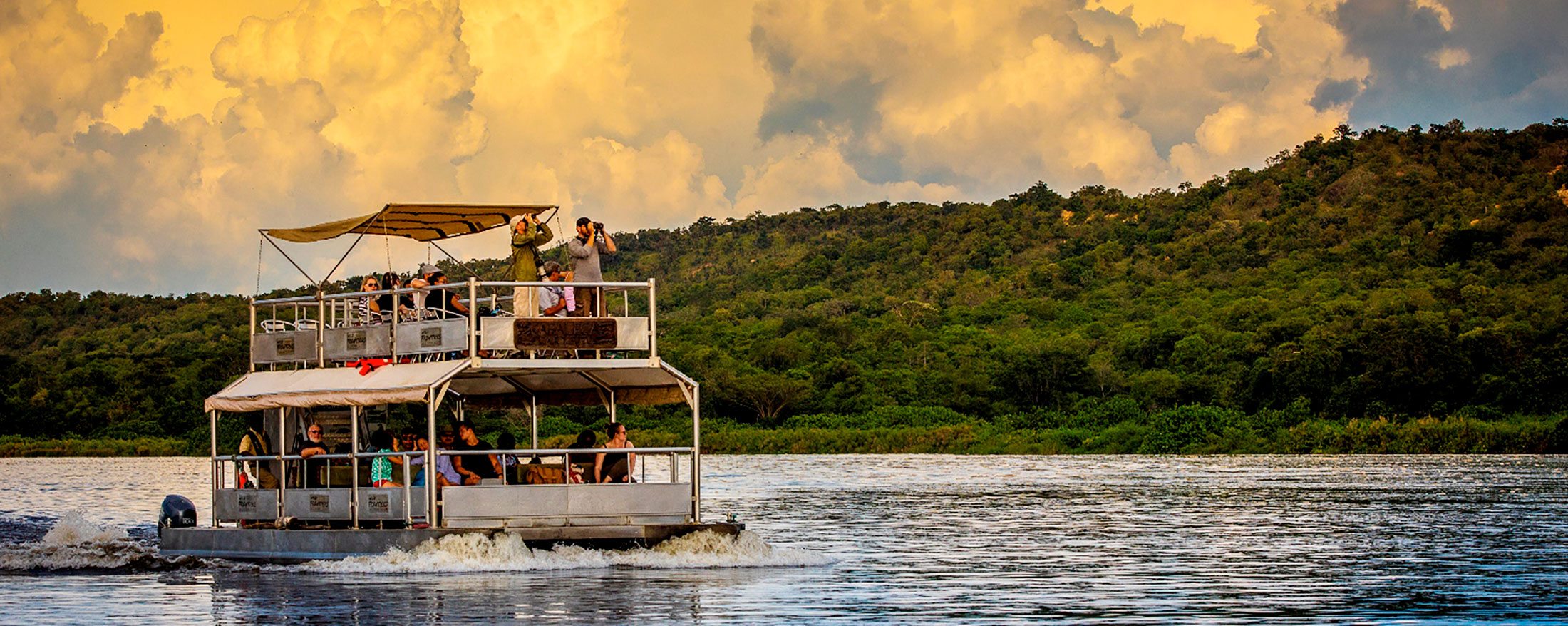
It is always important for every traveler to know when the best time is to travel to Uganda for a memorable vacation.
The best time to travel to Uganda is during the dry seasons from June to August and December to February. This is also considered the best time for gorilla trekking and most of the other safari activities in Uganda.
Don’t let the sunshine fool you; the unpredictable nature of Uganda’s tropical weather means a sudden downpour can occur at any time, even during the ‘dry’ season, so make sure you pack rain gear.
What to Pack for Uganda / What to Wear
Guidelines on acceptable attire for travelers in Uganda, covering cultural norms and legal regulations.
Clothes
- Pack protective clothing, which should be light-colored long-sleeved shirts and long trousers. Note that camouflage clothing is forbidden for civilians in Uganda.
- A conservative dress for women to use in cities and rural areas, since it is respectful to dress modestly.
- Rain gear, like rain jackets, for unpredictable nature in some destinations
- Sturdy hiking boots
- Gardening gloves
- A hat with a wide brim
Toiletries
- High-SPF sunscreen
- Strong insect repellent, like the permethrin-treated clothing
- Hand sanitizer
- Wet wipes
- Basic first-aid kit
Other Important Items
- Binoculars
- A camera with extra batteries/memory cards
- Headlamp or flashlight.
Top Uganda Tour Operators
- Prime Safaris And Tours Ltd
- Wild Gorilla Safaris
- Safari Uganda Safaris
- Gorilla Safaris And Tours
- A Uganda Safari
- Africa Safaris Tours
- Uganda Birding Safaris
- Gorilla Trekking Uganda
Travel Guide to Uganda FAQs (Frequently Asked Questions)
Is It Safe to Travel to Uganda Right Now?
Traveling to Uganda as early as 2026 requires a high degree of caution due to terrorism, violent crime, and political tensions following the January 2026 elections. However, most travel destinations in the country are safe because the armed forces are deployed in those areas to monitor and maintain security for both travelers and animals against poachers.
Before you travel, it is advisable to visit the State Department on terrorism to learn more about the country’s political climate.
What To Know Before Going to Uganda? / What To Know When Going to Uganda?
Before going to Uganda, you must have and know the following:
Entry requirements: A valid visa (apply online via the official immigration portal), a passport, a return flight ticket, hotel reservations, and travel insurance that covers medical evacuation, medical emergencies, trip interruptions, and cancellations, among others.
The Kampala embassy notes that overstaying even by a single day can result in significant fines or detention by Ugandan immigration.
Health precautions: Uganda strictly enforces disease control regulations at the airport and other entry points.
Travelers should have a yellow fever vaccination certificate, know malaria precautions, and avoid body fluids from infected animals and persons.
Transportation: It is advisable to use tour operators for long-distance trips; car rentals are available, and driving is only on the left-hand side.
Money and currency: The country’s currency is the Ugandan shilling (UGX). ATMs and credit cards are accepted in major towns, but cash is mostly used in villages.
Law on LGBT: Homosexuality is illegal in Uganda, and any victim might face imprisonment. Same sex couples should act extremely discreetly in public.
Cultural interactions: There are over 56 tribes in Uganda, each with its own traditions and hospitality that you must respect.
Local cuisine: Uganda’s traditional dishes include Matooke, Luwombo, Rorex, among others.
Best time to visit: The dry seasons, which are December to February and June to August, are the best time to travel to Uganda for memorable safari experiences.
Is It Expensive to Visit Uganda? / Is Uganda Expensive to Visit?
Visiting Uganda is generally affordable compared to other countries in East Africa. Expenses for accommodation, food, transportation, and activities are low and only vary based on the travel style and preferences.
What Injections Do I Need for Uganda?
Travelers to Uganda must have been injected for yellow fever and other additional recommended vaccines like polio, rabies, meningococcal, hepatitis A and B, and typhoid.
Can US Citizens Travel to Uganda Without a Visa?
US citizens can travel to Uganda without a visa for tourism purposes for a short period of time. However, it is advisable to acquire an electronic travel authorization (eTA or e-Visa) before entering the country.
The e-Visa applied for via the Official Immigration Portal is the most preferred method for most international travelers because it is a convenient and efficient entry into Uganda.
Can Americans Enter Uganda?
Americans can enter Uganda, but they need to first obtain an electronic travel authorization (eTA or e-Visa) before traveling.
What Are the Requirements to Travel to Uganda? / What To Know Before Travelling to Uganda?
Some of the requirements you need to travel to Uganda include the following:
- A passport valid for at least six months
- A visa, unless exempt
- A yellow fever vaccination certificate
- Recommended vaccinations for any other deadly disease
- A comprehensive health insurance
- Currency and money: Money should be exchanged for Ugandan shillings (UGX). Card payment is also accepted, especially in major towns.
How Are Tourists Welcomed in Uganda?
Tourists are highly welcomed in Uganda with a warm welcome and a hospitable environment. This makes Uganda be branded as the friendliest country on the African continent.
Upon arrival at Entebbe International Airport and throughout rural areas, visitors are greeted with sincere smiles, exemplary service, and a culture that holds guests in high esteem. The warmth and hospitality extended reflect a deep respect for visitors as esteemed individuals.
How Do I Prepare for a Trip to Uganda?
Preparing for a trip to Uganda requires securing a passport valid for six months, obtaining an e-Visa in advance, and getting a mandatory Yellow Fever vaccination. Pack light-colored, breathable clothing, hiking boots, and insect repellent for protection against mosquito bites.
Some of the key steps include booking gorilla permits months in advance, taking antimalarials, booking accommodation, and arranging transport.
What To Be Careful of in Uganda?
When traveling to Uganda, it is important to know that there are potential risks that call for necessary precautions to ensure that you have a safe safari experience.
Travelers should be careful of terrorism and kidnapping, especially in the border region with DR Congo and South Sudan, and violent crime, such as armed robbery and sexual assault, among others.
It is advisable to avoid large gatherings and public demonstrations. For personal security, use professional security services if traveling in high-risk areas.
Foreign tourists must also follow all the instructions from local authorities, including orders on movement restrictions, and monitor local media.
Conclusion
Begin your extraordinary journey through Uganda today with our detailed travel guide to Uganda. Discover hidden treasures on a thrilling Uganda safari and embrace the vibrant culture ingrained in each person. Take the first step towards an unforgettable adventure now.
Want to visit Mgahinga Gorilla Park?
Want to visit Mgahinga Gorilla National Park, Uganda's gorilla & golden monkey park?
