Home » SUPPORTING LOCAL COMMUNITIES AROUND MGAHINGA GORILLA NATIONAL PARK
SUPPORTING LOCAL COMMUNITIES AROUND MGAHINGA GORILLA NATIONAL PARK
Supporting local communities around Mgahinga Gorilla National Park is one of the major objectives of the Uganda Wildlife Authority, NGOs, and tourists who often explore this Ugandan national park.
Mgahinga Gorilla National Park is a 33.9 sq km Ugandan small national park in the southwestern part of the country in Kisoro district, known for endangered mountain gorillas, golden monkeys, local communities, and the Virunga volcanoes.
The idea of supporting local communities in Mgahinga National Park focuses mainly on balancing gorilla and biodiversity conservation with livelihood improvement in one of Africa’s most densely populated rural regions.
The local communities around the Mgahinga National Park, including the indigenous Batwa people, face so many challenges and threats, such as human-wildlife conflicts, limited land, and cultural restrictions, which call for the need to support them.
Essential Insights About Supporting Local Communities Around Mgahinga National Park
- Several NGOS, stakeholders, and organizations directly contribute to supporting local communities around Mgahinga National Park, e.g., the Uganda Wildlife Authority, and others.
- Some of the ways through which several enterprises support the local communities are through revenue sharing, employment, infrastructural development, and women’s empowerment, which benefit the local people in one way or another
- Tourists also practically contribute to supporting local communities through booking tours sustainable focused tour operators, donations, staying in eco-friendly lodges, etc.
- More information worth knowing about Mgahinga Gorilla National Park, e.g., access, attractions, etc.
Below is everything you need to know about supporting local communities around Mgahinga National Park!
Local Communities Around Mgahinga Gorilla National Park
There are several local communities around Mgahinga Gorilla National Park, including:
Batwa Communities
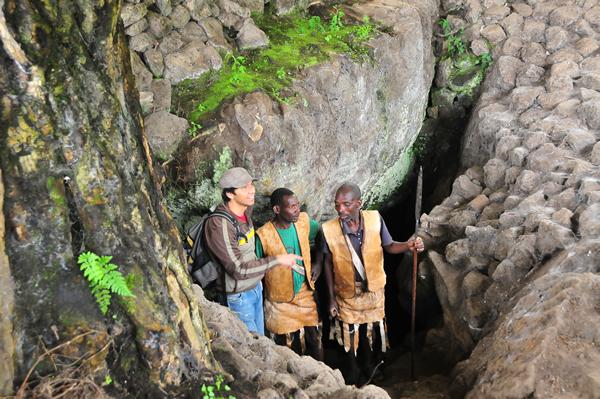
The Batwa are one of the major communities around Mgahinga National Park that are commonly known for being the original first dwellers who relied on hunting and gathering before being relocated after the gazettement of the park in 1991.
These Batwa people now live in settlements and communities around Mgahinga National Park and often share their way of life, traditions, stories, ancestral rites & cave folklore with tourists who come around to see them.
Bafumbira Communities
The Bafumbira are another local community that lives around Mgahinga Gorilla National Park, known for being a local farming tribe in the region.
They farm on the rich volcanic slopes of the Virunga volcanoes, growing crops like Irish potatoes and bananas, often sharing their vibrant culture, like traditional music, crafts, and dances (Ekizino) with travelers who come from near and far to see them.
Threats Facing the Local Communities Around Mgahinga National Park
Some of the serious threats facing local communities around Mgahinga National Park include
1) Human Wildlife Conflicts
Human-wildlife conflicts are one of the major threats that local communities face near Mgahinga National Park.
Wild animals like golden monkeys, baboons, and mountain gorillas often cross the park boundaries and steal food from the farmlands of the locals and even attack them sometimes, which puts them at risk of injury and food insecurity.
2) Resource Scarcity and Depletion
Resource scarcity and depletion are another of the threats faced by local communities near Mgahinga National Park.
Fires, illegal resource harvesting, and water shortages often cause resource scarcity, which makes the locals walk long distances to collect water, go into poaching to trap animals for food, etc.
3) Land Displacement and Indigenous Marginalization
Land displacement and indigenous marginalization are other major challenges facing the local communities near Mgahinga National Park
The indigenous Batwa people were evicted from their ancestral home when the park was gazetted in 1991, and in the nearby communities they settled in, they still to date suffer severe stigma, lack housing, and find it hard to get a stable income.
4) Economic Vulnerability
The local communities are facing low access to the economic benefits from tourism revenues and to the forest resources that they use to rely on for shelter, medicine, and food.
Major Organizations and Enterprises with Ongoing Community Initiatives in Mgahinga National Park
In Mgahinga National Park, many organizations and enterprises are working tirelessly to support local communities, such as
1) Bwindi Mgahinga Conservation Trust (BMCT)
This is a community trust or enterprise that supports conservation and community projects in both Mgahinga and Bwindi Impenetrable National Parks, supporting village savings groups, human wildlife conflict mitigation, household initiatives, businesses, etc.
2) Mgahinga Community Development Organization (MCDO)
The Mgahinga Community Development Organization is a local enterprise or an NGO that supports communities through school development, ecotourism, beekeeping, handicraft making, conservation awareness, etc.
3) Uganda Wildlife Authority and the International Gorilla Conservation Programme (UWA and IGCP)
These two organizations, the Uganda Wildlife Authority and the International Gorilla Conservation Programme, help with park management, revenue sharing, conflict resolution, community sensitization, and awareness programs regarding conservation, climate-smart agriculture, and more, which are beneficial to the local communities.
Ongoing Community Initiatives Supporting Local Communities Around Mgahinga National Park
Some of the ongoing community initiatives done by NGOs, community enterprises, and stakeholders to support the local communities in Mgahinga National Park include
Tourism Revenue Sharing By UWA
At least 20% of the park entrance fees and gorilla trekking permit revenue collected by the Uganda Wildlife Authority is allocated to the local communities for the construction and development of health centers, schools, roads, and other development projects.
Direct Cultural Tourism
Several stakeholders and organizations have developed community-based tourism (CBT) initiatives, including Batwa cultural trails, homestays, village tours, community walks, handicraft shops, and cultural centers close to Mgahinga National Park that directly or indirectly bring in income that supports the livelihoods of the local people.
Jobs And Income
The safari activities run by Uganda Wildlife Authority, such as gorilla trekking, create employment for porters, guides, lodge staff, etc., which in turn earn the local people in the communities money to sustain themselves.
Infrastructural Development
NGOs support communities through building infrastructures such as schools, clinics, boreholes, roads, and more, which directly benefit the local people as their children go to the schools, get treatment from the clinics, get clean water from the boreholes, etc.
Direct Women Empowerment from NGOs and Operators
Several NGOs and operators directly empower so many women in the local communities through funding the women’s groups, funding women’s activities like handicraft making, basket weaving, and more, which in turn brings them funds to help them run their families.
Practical Ways Tourists Support Communities Around Mgahinga Gorilla National Park
Tourists can also directly support local communities
1) Responsible Tourism
Booking Uganda gorilla or golden monkey trekking through the Uganda Wildlife Authority is one way tourists can directly support local communities, as 20% of the permit fees are returned to the communities.
2) Donating To Community Enterprises
Tourists can contribute to supporting local communities by donating to community enterprises like MCDO, BMCT, UWA, IGCP, or other reputable NGOs that also support communities through building schools, engaging in tree planting,
3) Volunteering
By joining NGOs like the MCDO to volunteer and sensitize local people about conservation, engaging in tree planting, and more, combined with gorilla trekking funds, funds can be raised to support the local communities.
4) Local Purchases
Tourists can also support local communities by directly buying locally made handicrafts, honey, and other products made by the locals.
5) Reputable Tour Operators
Booking Uganda safari trips with well-reputed tour operators in Mgahinga Gorilla National Park will help guests to support local people.
Some of these include
- Prime Safaris and Tours Ltd
- Wild Gorilla Safaris
- Safari Uganda Safaris
- Gorilla Safaris and Tours
- A Uganda Safari
- Africa Safaris Tours
- Uganda Birding Safaris
- Gorilla Trekking Uganda
6) Eco Lodge Stays
Tourists support local communities by staying at eco-friendly lodges, which directly support local communities such as Amajambere Iwacu Community Camp & Mount Gahinga Lodge, among others.
More About Mgahinga Gorilla National Park
1. How to Get There
From Kampala, it’s about a 540km drive — roughly 9 to 10 hours to Kisoro. If you’d rather fly, you can hop on a short flight to Kisoro Airstrip, then it’s just a quick drive to the park office at Ntebeko.
2. Park Entry Fees
- Foreign visitors: $40 USD
- Foreign residents: $30 USD
- East African citizens: UGX 20,000
3. What You’ll See
Mgahinga is small but packed with life. The big draw is the endangered mountain gorillas in the Nyakagezi family, which calls this place home. You’ll also find rare golden monkeys, plus buffaloes, elephants, golden cats, side-striped jackals, and over 100 bird species.
The backdrop is the Virunga volcanoes: Sabinyo, Muhavura, and Gahinga. Add in thick forest, the Batwa Garama Cave, a crater lake, and local communities, and it feels really special.
4. Things to Do
- Gorilla trekking with the Nyakagezi group
- Golden monkey tracking
- Volcano hiking up Sabinyo, Gahinga, or Muhavura
- Batwa Cultural Trail — learn about the forest’s first people
- Exploring Garama Cave
- Birdwatching and guided nature walks
- Photography — the views here are unreal
5. Where to Stay
There are solid options for every budget. Popular ones include Mount Gahinga Lodge, Chameleon Hill Lodge, Lake Mulehe Gorilla Lodge, Mutanda Lake Resort, Travellers Nest Hotel, and the community-run Amajambere Iwacu Camp.
6. Best Time to Visit
You can visit year-round, but the dry seasons are easiest: June to September and December to February. Trails are less muddy, visibility is clear, and it makes gorilla trekking, golden monkey tracking, and volcano hiking much more comfortable.
Support local people by booking your safari with us so that you help communities living near Mgahinga thrive.
Want to visit Mgahinga Gorilla Park?
Want to visit Mgahinga Gorilla National Park, Uganda's gorilla & golden monkey park?
